
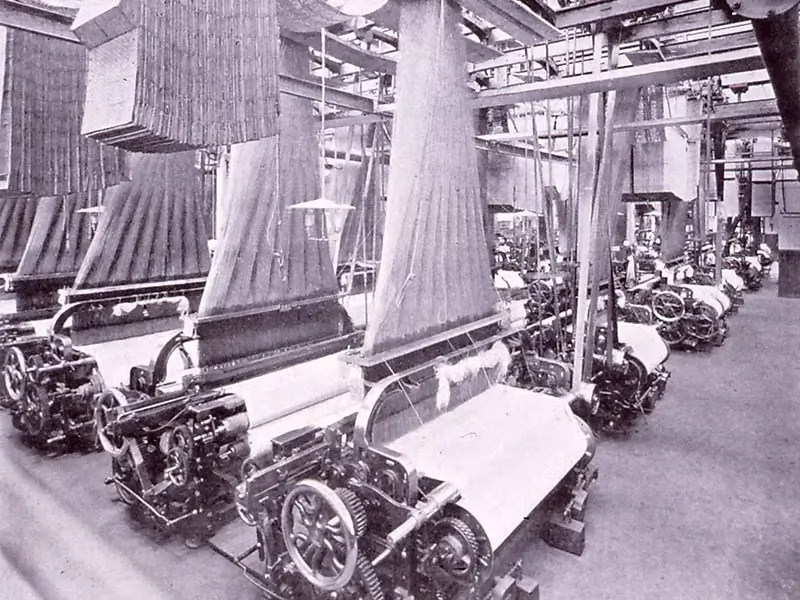
Weaving is one of the most fundamental processes in textile manufacturing. It involves interlacing two sets of yarns — warp and weft — to create fabric. Over the years, weaving technology has evolved significantly, leading to the development of various types of weaving machines designed for different fabrics, production speeds, and industrial applications.
Modern textile factories use specialized weaving machines to improve productivity, fabric quality, and manufacturing efficiency. Understanding the different types of weaving machines helps manufacturers choose the most suitable equipment for their production needs.
In this article, we will explore the main types of weaving machines used in the textile industry, including dobby, jacquard, rapier, air-jet, and leno weaving machines.
1. Dobby Weaving Machines
Dobby weaving machines are widely used for producing fabrics with simple geometric patterns. These machines control warp yarns using a dobby mechanism that lifts selected warp threads during the weaving process.
Key Features
-
Suitable for medium complexity patterns
-
More flexible than basic looms
-
Ideal for decorative and patterned fabrics
Applications
Dobby looms are commonly used for producing:
-
Towels
-
Table linens
-
Decorative fabrics
-
Home textiles
Compared to jacquard looms, dobby machines control groups of warp yarns rather than individual threads, which limits pattern complexity but improves production efficiency.
2. Jacquard Weaving Machines
Jacquard weaving machines are designed for complex and intricate patterns. They use a special jacquard mechanism that controls each warp yarn individually.
This allows manufacturers to create highly detailed designs directly during the weaving process.
Key Features
-
Individual warp thread control
-
Highly complex pattern capability
-
Suitable for luxury fabrics
Applications
Jacquard machines are used to produce:
-
Upholstery fabrics
-
Brocade fabrics
-
Damask textiles
-
Decorative curtains
-
Luxury garments
These machines are widely used in both fashion and home textile industries.
3. Rapier Weaving Machines
Rapier weaving machines use a mechanical arm called a rapier to carry the weft yarn across the warp threads. They are known for their versatility and ability to weave a wide range of yarn types.
Key Features
-
Flexible yarn handling
-
Suitable for different fabric types
-
High precision weaving
Applications
Rapier looms are commonly used for:
-
Denim fabrics
-
Industrial textiles
-
Technical fabrics
-
Fashion fabrics
Because they can handle various yarn materials, rapier machines are among the most versatile weaving technologies.
4. Air-Jet Weaving Machines
Air-jet weaving machines insert the weft yarn using compressed air. This technology enables extremely fast weaving speeds, making air-jet looms one of the most productive weaving machines available today.
Key Features
-
Very high production speed
-
Efficient for lightweight fabrics
-
Reduced mechanical contact with yarn
Applications
Air-jet weaving machines are commonly used to produce:
-
Cotton fabrics
-
Lightweight synthetic fabrics
-
Apparel textiles
-
Home textiles
However, air-jet machines require stable yarn quality and are less suitable for heavy or delicate yarns.
5. Leno Weaving Machines
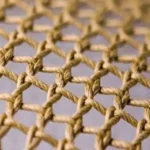
Leno weaving machines are designed to produce open mesh fabrics with high stability. In this technique, two warp yarns twist around the weft yarn, creating a secure and durable structure.
Key Features
-
Prevents yarn slippage
-
Produces strong mesh fabrics
-
Suitable for technical textiles
Applications
Leno weaving machines are widely used for:
-
Fiberglass mesh fabrics
-
Agricultural nets
-
Industrial filters
-
Geotextiles
-
Reinforcement materials
This weaving technique is particularly important in technical textile manufacturing, where durability and structural stability are critical.
Comparison of Common Weaving Machines
| Machine Type | Speed | Pattern Complexity | Typical Applications |
|---|---|---|---|
| Dobby Loom | Medium | Medium | Towels, linens |
| Jacquard Loom | Medium | Very High | Decorative fabrics |
| Rapier Loom | Medium | Flexible | Denim, industrial textiles |
| Air-Jet Loom | Very High | Low-Medium | Apparel fabrics |
| Leno Loom | Medium | Specialized | Mesh and technical fabrics |
Each weaving machine offers unique advantages depending on production requirements.
Choosing the Right Weaving Machine
Selecting the right weaving machine depends on several factors:
-
Type of yarn being used
-
Desired fabric structure
-
Production speed requirements
-
Pattern complexity
-
End-use application
Manufacturers must carefully evaluate these factors to ensure efficient production and consistent fabric quality.
The Future of Weaving Technology
Advancements in automation and digital control systems are transforming the textile industry. Modern weaving machines now include:
-
Computerized pattern control
-
Automated yarn monitoring
-
Smart production systems
-
Energy-efficient designs
These innovations allow textile manufacturers to improve productivity while maintaining high-quality fabric production.
Conclusion
Weaving machines play a critical role in the textile industry, enabling manufacturers to produce a wide variety of fabrics for different applications. From dobby and jacquard looms for patterned fabrics to rapier, air-jet, and leno machines for industrial production, each type of weaving machine offers unique capabilities.
Understanding the strengths and applications of each machine helps textile producers choose the most suitable technology for their manufacturing needs.
As weaving technology continues to evolve, modern machines will become even more efficient, precise, and adaptable to the growing demands of the textile industry.

 English
  Turkish
  Spanish