

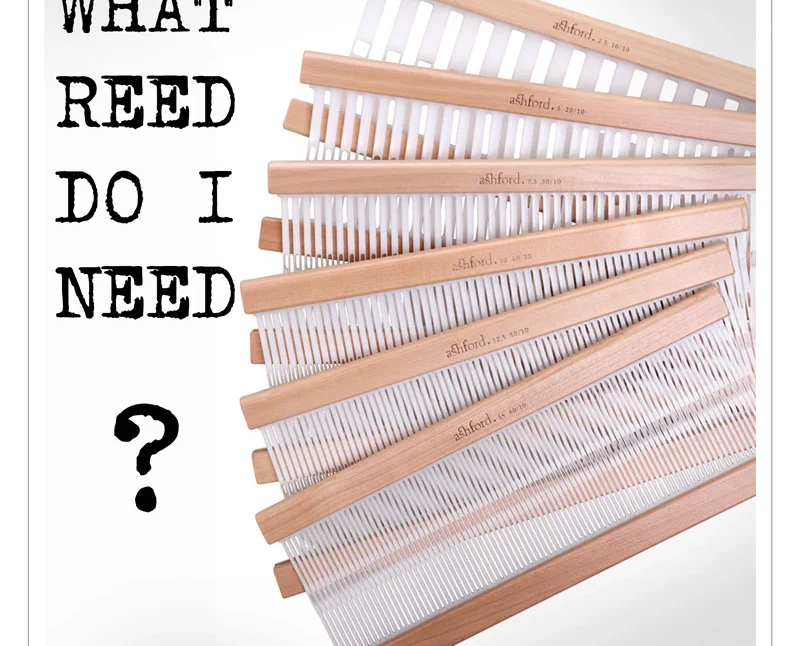
In textile manufacturing, precision and consistency are essential for producing high-quality fabrics. One of the most important yet often overlooked components of a weaving machine is the loom reed. This essential tool plays a key role in maintaining the correct spacing of warp yarns and ensuring uniform fabric structure during the weaving process.
A loom reed directly influences fabric quality, weaving efficiency, and production stability. Understanding how it works and why it matters can help textile manufacturers optimize their weaving operations and improve final fabric performance.
What Is a Loom Reed?
A loom reed is a comb-like device used in weaving looms to guide and separate warp yarns. It consists of a series of thin metal strips called dents that are fixed between two wooden or metal bars.
Each gap between these metal strips is known as a dent, and warp yarns pass through these dents before reaching the weaving area. The reed ensures that the yarns remain evenly spaced across the width of the fabric.
The main functions of a loom reed include:
-
Keeping warp yarns evenly separated
-
Maintaining consistent fabric density
-
Beating the weft yarn into place during weaving
-
Supporting stable fabric formation
Without a properly functioning reed, fabric production would become inconsistent and difficult to control.
How a Loom Reed Works in the Weaving Process
During weaving, the reed moves back and forth as part of the loom’s beating mechanism. After each weft yarn is inserted across the warp threads, the reed pushes the weft into its final position within the fabric structure.
This process is called beating-up, and it ensures that the weft yarn is tightly packed and aligned with previous yarns.
The reed also helps maintain the correct spacing between warp threads, preventing them from crossing or bunching together during weaving.
As a result, the loom reed contributes directly to the uniformity and strength of the finished fabric.
Types of Loom Reeds
Different weaving processes require different types of reeds depending on fabric type and yarn density.
Stainless Steel Reeds
These are the most common reeds used in modern weaving machines. Stainless steel reeds offer durability, corrosion resistance, and high precision.
Air Jet Loom Reeds
Designed specifically for air jet weaving machines, these reeds include channels that guide compressed air used to insert the weft yarn.
Water Jet Loom Reeds
Water jet reeds are built to withstand moisture and are commonly used in synthetic fabric production.
Special Industrial Reeds
Technical textiles and industrial fabrics sometimes require custom reeds designed for specific yarn types or fabric structures.
Why Loom Reeds Are Important for Fabric Quality
A loom reed has a direct impact on several critical aspects of textile production.
Fabric Density and Structure
The number of dents per centimeter or inch determines how closely warp yarns are spaced. This affects the fabric’s density and appearance.
Consistent Fabric Width
A properly aligned reed ensures that the fabric maintains a consistent width throughout production.
Reduced Yarn Breakage
High-quality reeds guide yarns smoothly and reduce friction, which helps prevent yarn breakage during high-speed weaving.
Improved Production Efficiency
When the reed functions correctly, weaving machines operate more smoothly and require fewer production interruptions.
Applications in Modern Textile Manufacturing
Loom reeds are used in almost every type of weaving process, including:
-
Industrial textile production
-
Fiberglass mesh manufacturing
-
Technical textiles
-
Apparel fabric weaving
-
Home textile production
-
Geotextile manufacturing
In specialized weaving techniques such as leno weaving, reeds play an even more important role in controlling yarn placement and fabric stability.
How to Choose the Right Loom Reed
Selecting the correct loom reed depends on several factors:
-
Yarn thickness
-
Fabric density requirements
-
Type of weaving machine
-
Fabric application
-
Production speed
Manufacturers must carefully match the reed specification to the weaving process in order to achieve optimal results.
Maintenance of Loom Reeds
Proper maintenance extends the life of loom reeds and ensures consistent fabric quality.
Recommended maintenance practices include:
-
Regular cleaning to remove dust and fiber buildup
-
Inspecting dents for damage or bending
-
Proper storage to prevent corrosion
-
Routine replacement when wear affects performance
Regular inspection helps avoid fabric defects and production downtime.
conclusión
Although small compared to other loom components, the loom reed is essential for maintaining fabric quality and efficient textile production. By guiding warp yarns and beating weft yarns into place, the reed ensures uniform fabric structure and reliable weaving performance.
Choosing the right loom reed and maintaining it properly can significantly improve productivity, reduce yarn breakage, and enhance the overall quality of woven fabrics.
 English
  Turkish
  Spanish