
Categoría: Weaving Technology

Cómo convertir un telar Dobby en un sistema de tejido Leno: Guía paso a paso

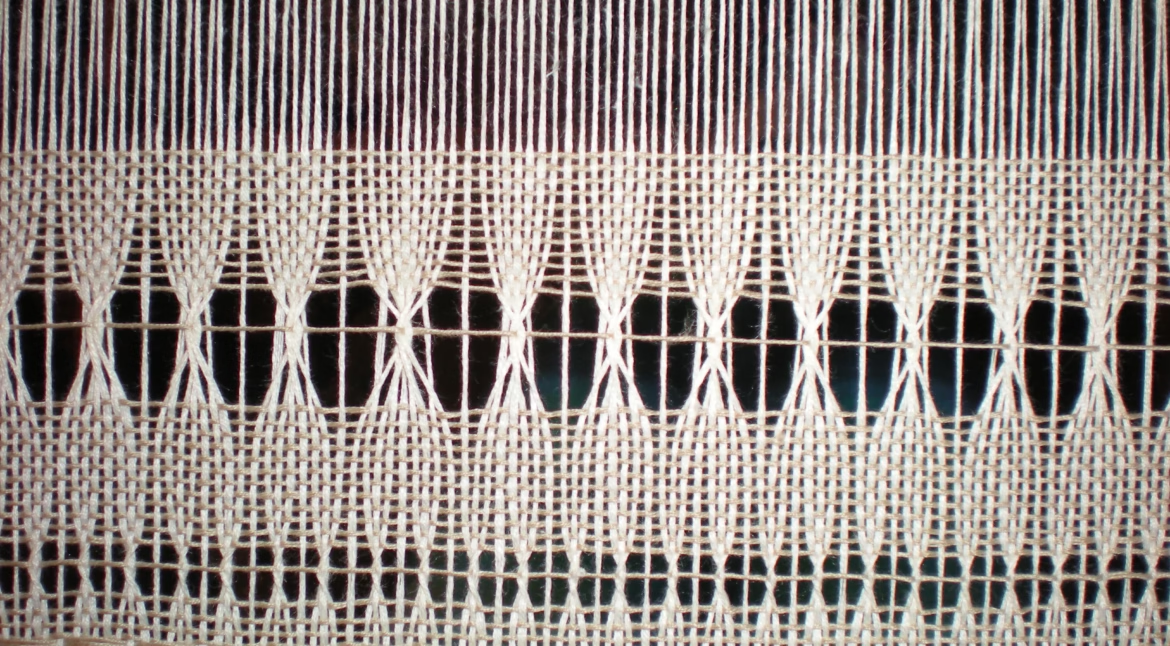
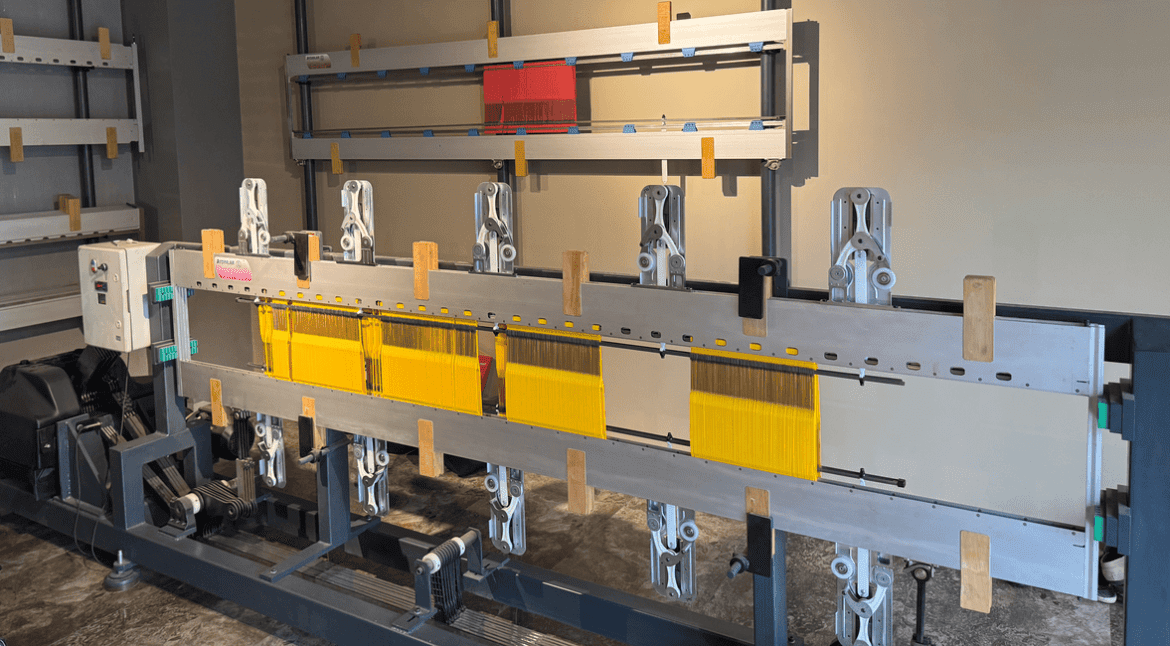
As demand grows for net fabrics and open-mesh textiles in agriculture, construction, and technical applications, many weaving mills are looking for ways to expand production without investing in new machinery. One of the most efficient solutions is converting an existing dobby loom to produce leno fabrics. With the right leno…
Why Leno Weaving is the Best Structure for Strong and Stable Net Fabrics

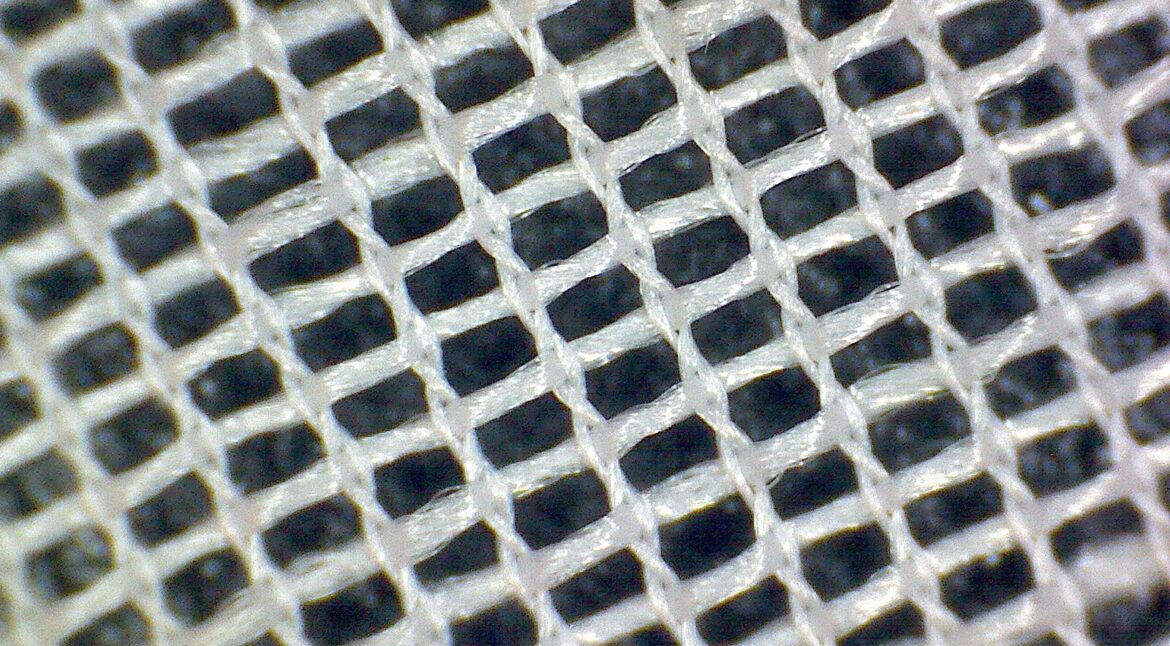
Open mesh fabrics are essential across many industries, including agriculture, construction, filtration, packaging, and technical textiles. While these fabrics must allow airflow, light penetration, and drainage, they must also maintain structural integrity under tension and environmental stress. One of the most effective ways to achieve this balance is through leno…

How to Produce Agricultural Nets on a Dobby Loom

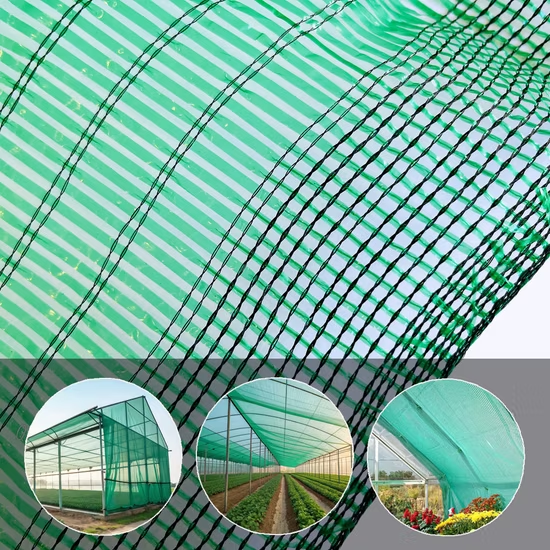
Agricultural protection nets are becoming essential worldwide. From protecting crops against hail and insects to optimizing shading and airflow, these technical fabrics help farmers increase productivity while reducing environmental impact. Traditionally, many of these nets are produced using Raschel knitting machines or extrusion processes. However, weaving mills are increasingly discovering…

Cómo integrar los lizos y dispositivos Leno en un telar Dobby estándar para la producción de redes de fibra de vidrio

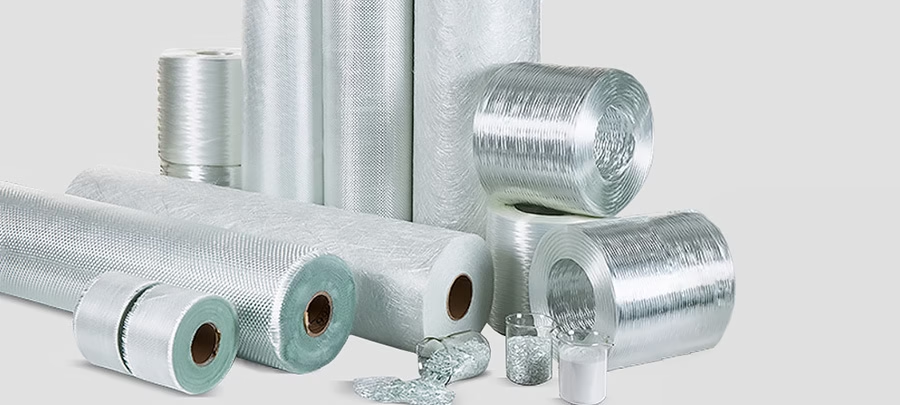
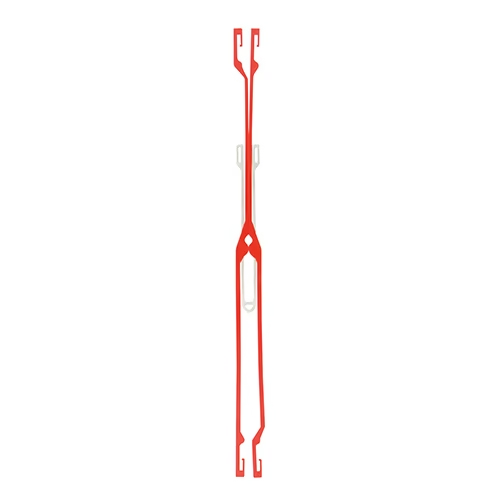
Fiberglass nets—used in construction reinforcement, insulation, composite structures, and stone/tile backing—require a fabric structure that is both stable and dimensionally accurate. Traditional plain weaving cannot provide sufficient stability for fiberglass yarns, which are smooth, brittle, and prone to slippage. To overcome these challenges, manufacturers increasingly integrate leno knitting healds and…

Producción de fibra de vidrio y el papel esencial de los sistemas de tejido Leno

Fiberglass fabrics play a critical role in many modern industries — from construction to automotive, marine, filtration, geotextiles, insulation, and composite manufacturing. These fabrics must deliver high tensile strength, dimensional stability, and excellent resistance to heat, chemicals, and mechanical stress. To achieve these performance levels, weaving technology must be precise…

“¿Qué es el tejido Leno? Una guía completa para fabricantes textiles de todo el mundo”

Leno weaving is one of the most efficient techniques used in modern textile manufacturing, especially for producing strong, open-mesh fabrics. It has become essential in industries ranging from agriculture to construction and industrial textiles. At AydinLeno, we specialize in leno weaving systems and dobby-to-leno conversions, helping manufacturers worldwide achieve higher…

El arte textil: máquinas de tejer y fabricación de cortinas

The textile industry is a cornerstone of global manufacturing, combining artistry and technology to create essential products for everyday life. Among its various applications, weaving machines and curtain manufacturing stand out as critical sectors, showcasing the perfect blend of precision, innovation, and functionality. The Role of Weaving Machines in Modern…

Sostenibilidad a través de técnicas de tejido avanzadas

Sustainability is no longer just an industry trend—it’s a necessity. As environmental concerns and resource scarcity continue to shape global markets, the textile industry must embrace innovative practices that minimize ecological impact while maintaining high production standards. Leno weaving systems provide an effective solution, offering manufacturers the ability to optimize…

Cómo los sistemas de tejido Leno están dando forma al futuro de los textiles

Employee empowerment will be one of several key components helping the company meet its growth goals, Rohr says. It's a strategy Rohr says worked well for him in his previous role as CEO of specialty chemical producer Albemarle Corp. (IW500/289). At Celanese, Rohr says he plans to have employees more...